


 Send Inquiry
Captain Tractor
MOQ : 1 Number
Captain Tractor Specification
- Product Type
- Tractor
- General Use
- Agricultural
- Type
- Wheel Tractor
- Power Source
- Diesel
- Engine Type
- 4 Stroke
- Fuel Tank Capacity
- 80 Liter (L)
Captain Tractor Trade Information
- Minimum Order Quantity
- 1 Number
- FOB Port
- Any Port in India
- Payment Terms
- Telegraphic Transfer (T/T)
- Supply Ability
- 1 Number Per Month
- Delivery Time
- 3 Week
- Packaging Details
- Export worthy packaging
- Main Export Market(s)
- Australia, North America, South America, Eastern Europe, Western Europe, Middle East, Central America, Asia, Africa
Captain Tractor About
Model: 90 HPType: Turbo Charged 4 Stroke water cooled diesel engine
No. of Cylinder: 4
Bore/Stroke (cm): 105/120
Cubic capacity: 4160
Rated engine speed: 2200
Torque: 361 Nm/25% backup torque
Air cleaner: Dry air cleaner with clogging sensor
Clutch Type: Dual Clutch
Plate size: 310 mm (Primary)
Transmission Type: Synchromesh, with H/L/M collar /shift
Gears: 12F + 12R (24F + 24R Optional)
Speed: Min 1.58 Km/hr, Max 32.6 Km/hr
PTO Type: Independent, groung PTO, Multi speed
PTO Speed: 540 & 540E
PTO Options: Live PTO, ground PTO, Multi speed
No. of Splines: 6
Brakes: Oil immersed disc brakes
Parking brake: Independent
Steering Type: Hydro static power steering
Hydraulics Pump Type: Tandem Pump (46 LPM)
A. Position: To hold the lower link at any desired height
B. Automatic depth draft control: Maintains uniform draft
C. Mix Control: For simultaneous use of option and draft control for optimum field output
Lifting Capacity (Kg): 2500
Auxiliary Hydraulics: 2 DA with 4 QRCs
3 Point Linkage: CAT-2
Electrical Instruments
Battery, capacity: 12V, 100Ah
Alternator: 12V, 36A
Starter motor: 12V, 2.7kW
Tyres
Front: 12.4 x 24
Rear: 18.4 x 30
Fuel Tank Capacity: 80 Ltr.
Dimensions
Front Track width: 1506 mm
Rear Track width: 1535 mm
Tractor Length: 4235 mm
Tractor width: 2022 mm
Min. ground clearance: 460m
Min. turning radius: R - 11.3 m, L = 11.6 m
Weight of tractor with ballast weight: 3410 Kg
PTO no. of splines: 6
Versatile Agricultural Helper
The Captain Tractor is designed for flexibility, making it suitable for a broad spectrum of farming applications. Its sturdy build and powerful engine facilitate seamless tasks such as soil preparation, crop management, and heavy transportation. The sizable fuel tank minimizes refueling breaks, thus enhancing overall productivity for small to large agricultural operations.
Engineered for Efficiency
With a 4-stroke diesel engine, the Captain Tractor offers remarkable fuel management and reduced emissions compared to conventional alternatives. The efficient fuel consumption allows farmers to accomplish extended hours of work without interruptions, while the wheel tractor design ensures manoeuvrability even in challenging terrains.
FAQ's of Captain Tractor:
Q: How does the Captain Tractor support agricultural productivity?
A: The Captain Tractor streamlines essential farming tasks such as ploughing, tilling, and transporting, offering reliable performance through its powerful 4-stroke diesel engine and large 80-liter fuel tank. These features reduce downtime and enhance daily productivity on the field.Q: What are the main benefits of the 80-liter fuel tank capacity?
A: The substantial 80-liter fuel tank allows the tractor to operate for longer periods without the need for frequent refueling. This is especially beneficial for large-scale agricultural operations or continuous tasks, saving time and optimizing efficiency.Q: When is the Captain Tractor most effectively utilized during the agricultural cycle?
A: The Captain Tractor shows optimal performance during soil preparation, planting, and crop management phases. Its powerful diesel engine and robust construction make it an asset year-round, particularly during intensive work seasons when durability and reliability are essential.Q: Where are Captain Tractors manufactured and exported from?
A: Captain Tractors are both manufactured and exported from India, with a reputation for quality and reliability in international and domestic markets. The company focuses on producing machinery suited to diverse farming needs across different regions.Q: What process should be followed for using the Captain Tractor efficiently?
A: To use the Captain Tractor efficiently, operators should conduct regular maintenance checks, ensure the diesel tank is filled, and follow manufacturer guidelines for operating and servicing the 4-stroke engine. Adhering to best practices enhances the tractor's lifespan and performance.Q: How does the 4-stroke diesel engine impact fuel usage and power delivery?
A: The 4-stroke diesel engine offers better fuel efficiency and smoother power delivery compared to older engine types. This leads to reduced fuel consumption and consistent operational strength, making it cost-effective and environmentally friendlier for extensive agricultural work.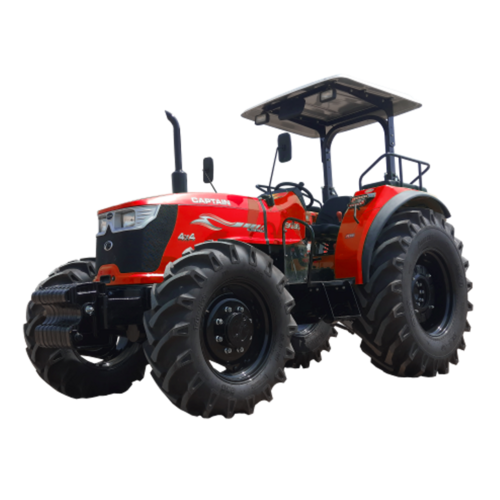
Tell us about your requirement

Price:
Quantity
Select Unit
- 50
- 100
- 200
- 250
- 500
- 1000+
Additional detail
Mobile number
Email

More Products in Agricultural Machinery Category
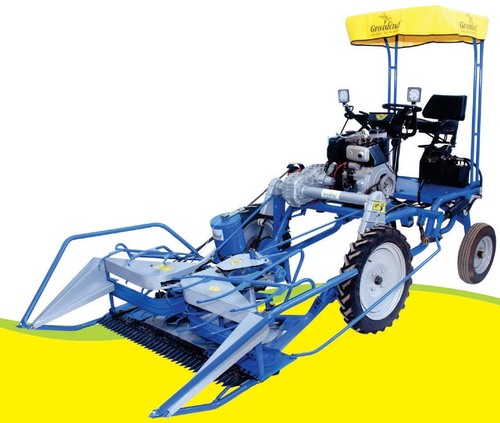
Self-Propelled Reaper Binder
Price 6675.0 USD ($) / Number
Minimum Order Quantity : 1 Number
Weight (kg) : 325 Kilograms (kg)
General Use : Agricultural
Power : 35 Horsepower (HP)
Dimension (L*W*H) : 3800 x 2000 x 2300 Millimeter (mm)
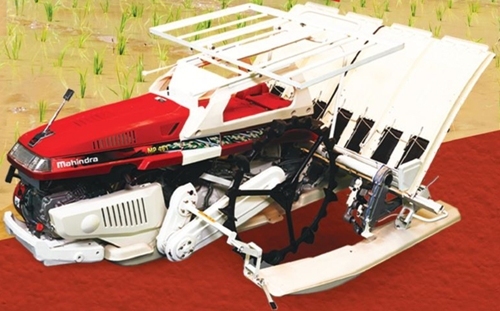
Rice Transplanter
Price 3300 USD ($) / Number
Minimum Order Quantity : 1 Number
Weight (kg) : 192 Kilograms (kg)
General Use : Agricultural
Power : 4.3 HP
Dimension (L*W*H) : 2410 x 2410 x 910 mm
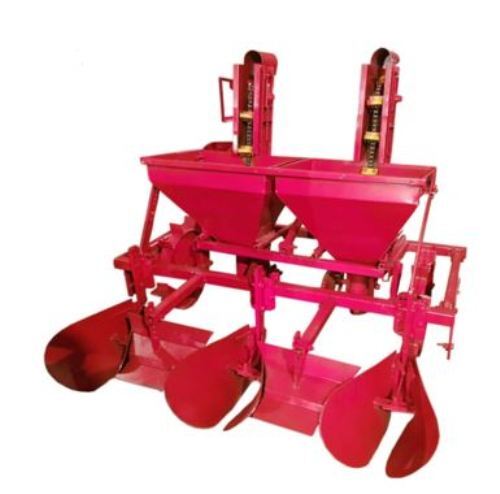
2 Row Sugarcane Bud Planter
Price 3375.0 USD ($) / Number
Minimum Order Quantity : 1 Number
Weight (kg) : 120 Kilograms (kg)
General Use : Agricultural
Power : NA Statampere (sA)
Dimension (L*W*H) : 53 x 32 x 52 Inch (in)
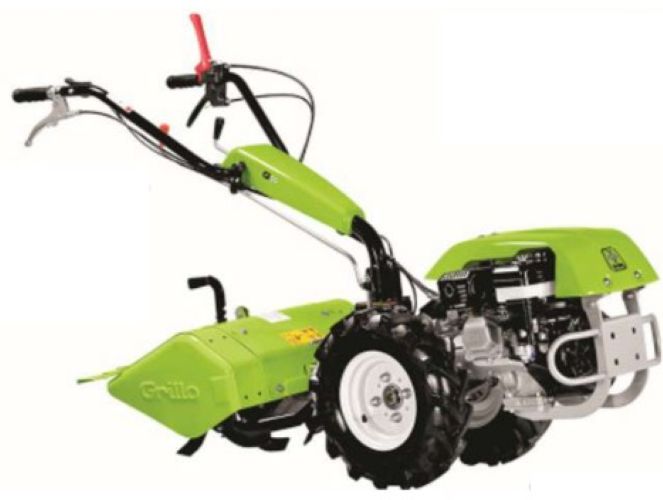
GRILLO POWER TILLER
Price 2365.0 USD ($) / Unit
Minimum Order Quantity : 1 Unit
Weight (kg) : NA Kilograms (kg)
General Use : Agricultural
Power : NA Horsepower (HP)
Dimension (L*W*H) : NA Meter (m)

GST : 27AACPE3621M1ZV
Contact Details

- 28, 3rd Floor, Sucheta Niwas, 285, Shahid Bhagat Singh Road, Fort, Mumbai - 400001, Maharashtra, India

- Mr. Saurabh Sasidharan (CEO)
- Mobile :+919920154283


SABIN ENTERPRISES
All Rights Reserved.(Terms of Use)
Developed and Managed by Infocom Network Private Limited.
Developed and Managed by Infocom Network Private Limited.
 English
 Spanish
 French
 German
 Italian
 Chinese (Simplified)
 Japanese
 Korean
 Arabic
 Portuguese