


 Send Inquiry
Hydraulic Reversible Disc Plough
Price 1990 USD ($)/ Number
MOQ : 1 Number
Hydraulic Reversible Disc Plough Specification
- Tool Type
- Disc Plough
- Usage & Applications
- Used for ploughing, soil turning, mixing, and soil aeration in large fields
- Features
- Hydraulic reversible system, high-strength frame, replaceable discs, easy operation
- Noise Level
- Low (mechanical, no engine)
- Shape
- Frame mounted, disc shaped blades
- Product Type
- Disc Plough
- General Use
- Agricultural
- Capacity
- 2-4 Disc furrows depending on tractor power
- Weight (kg)
- 450-620 kg (varies by model)
- Type
- Agricultural Tools
- Drive Type
- Tractor Driven
- Power
- 50-90 HP (depending on number of discs)
- Power Source
- Tractor PTO
- Transmission Type
- Hydraulic
- Engine Type
- Not applicable (Tractor operated)
- Fuel Tank Capacity
- Not applicable (Powered by tractor)
- Engine Oil Capacity
- Not applicable (Powered by tractor)
- Start Method
- Hydraulic lever control
- Disc Diameter
- 660 mm (26 inch)
- Tilling Scope
- Depth: 250-300 mm, Width: 600-1200 mm (depending on furrow and model)
- Machine Speed
- 4-6 km/h (operating speed)
- Production Output
- Up to 1 hectare per hour (varies by soil and disc number)
- Material
- High-grade steel frame with boron steel discs
- Dimension (L*W*H)
- 1260 x 1270 x 2300 Millimeter (mm)
- Color
- Red
- Working Width
- 600-1200 mm
- Compatibility
- Compatible with all major tractor brands (50HP+)
- Ploughing Depth
- Up to 12 inches (variable adjustment)
- Safety
- Shear bolt / safety bolt systems provided
- Linkage
- 3-Point, Cat-II
- No. of Discs
- 2, 3, or 4 depending on model and tractor capacity
- Surface Finish
- Powder coated/painted for corrosion resistance
- Transport Width
- Varies by model; designed for road transport
- Accessories
- Tool kit, user manual
- Frame Size
- 125 x 75 x 8 mm (approximate)
- Disc Material
- High carbon / Boron steel, heat treated
- Adjustment
- Hydraulically reversible, manual depth and tilt adjustment
- Bearing Type
- Heavy-duty tapered roller bearings
- Disc Spacing
- 570-610 mm
- Maintenance
- Lubrication points provided for easy maintenance
Hydraulic Reversible Disc Plough Trade Information
- Minimum Order Quantity
- 1 Number
- FOB Port
- Any Port in India
- Payment Terms
- Telegraphic Transfer (T/T)
- Supply Ability
- 5 Per Month
- Delivery Time
- 3 Week
- Packaging Details
- Export worthy packaging
- Main Export Market(s)
- Australia, North America, South America, Eastern Europe, Western Europe, Middle East, Africa, Central America, Asia
Hydraulic Reversible Disc Plough About
FeaturesA. This Hydraulic Reversible Disc Plough is the most suitable and versatile to work on slopes because it is not necessary to open or close plowing frames, providing high plowing quality and performance, which can also be used for the construction of contour lines.
B. It has multiple disc adjustments, such as height, swivel and inclination, ensuring the best adjustment for each soil type
Leveling adjustments are simple to perform giving you and even cut at the appropriate depth, thus increasing your productivity in the field.
Another feature is the reinforced chassis and the reduced amount of moving parts resulting in lowered maintenance costs.
Durable Construction for Demanding Fields
The disc plough is crafted with high carbon or boron steel, heat-treated discs and a sturdy high-grade steel frame, ensuring longevity even in challenging soil conditions. Powder coating or painting provides excellent corrosion resistance. Heavy-duty tapered roller bearings and robust adjustment systems further enhance operational reliability for large-scale agricultural tasks.
Hydraulic Reversibility for Efficient Operation
This model features a hydraulic reversible system, allowing the operator to switch working direction seamlessly without manual effort. Hydraulic lever control ensures quick reversal and saves time during field turns, optimizing fuel use and minimizing downtime. The adjustable depth and tilt make it adaptable for varying soil types and ploughing requirements.
Easy Maintenance and Safety Features
Designed with multiple lubrication points for straightforward maintenance, the reversible disc plough ensures smooth operation for long periods. Safety bolts and shear systems are incorporated to protect equipment from unexpected obstacles, reducing downtime and repair costs. Complete maintenance support and accessories like tool kits are included for user convenience.
FAQ's of Hydraulic Reversible Disc Plough:
Q: How does a hydraulic reversible disc plough enhance ploughing efficiency?
A: The hydraulic reversible mechanism enables quick, effortless changing of ploughing direction at field edges. This minimizes non-productive maneuvering, increases operational speed, and optimizes fuel and labor usage, especially over large agricultural fields.Q: What tractor specifications are required to operate this disc plough?
A: Depending on the disc model (2, 3, or 4 discs), compatible tractors should have a power output range between 50 to 90 HP. A three-point Cat-II linkage is necessary, making it suitable for most major tractor brands.Q: When should I use a reversible disc plough compared to a regular plough?
A: A reversible disc plough is particularly advantageous for large fields and tougher soils where frequent direction changes are necessary. It is best used before sowing to ensure deep soil turning, mixing of crop residues, and improved soil aeration.Q: Where can this disc plough be transported, and is it easy to move between fields?
A: It is designed with a variable transport width suitable for road transport, making it easy to move between fields and locations. The frame is robust yet manageable for standard tractor transportation.Q: What is the maintenance process for this disc plough?
A: Routine maintenance involves lubricating the provided points, checking and replacing shear bolts, and inspecting disc and bearing integrity. The high-grade, heat-treated materials and powder-coated surface simplify upkeep and extend service life.Q: How do the adjustment systems benefit users during operation?
A: Manual depth and tilt adjustments allow users to optimize ploughing based on soil type and field conditions, while the hydraulic reversible feature delivers convenience and rapid direction reversal-both enhancing productivity.Q: What benefits does the plough offer for agricultural productivity?
A: With a working width of up to 1200 mm and the ability to plough to a depth of 12 inches, this tool enables fast preparation (up to 1 hectare per hour), thorough soil mixing, and enhanced soil aeration, resulting in higher yields and better crop health.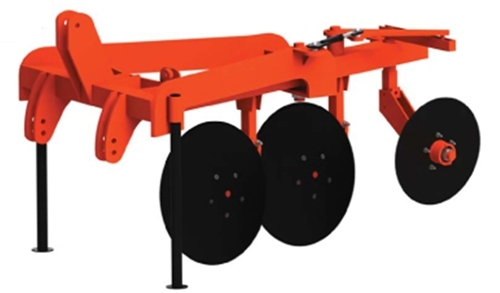
Tell us about your requirement

Price:
Quantity
Select Unit
- 50
- 100
- 200
- 250
- 500
- 1000+
Additional detail
Mobile number
Email

More Products in Agricultural Machinery Category
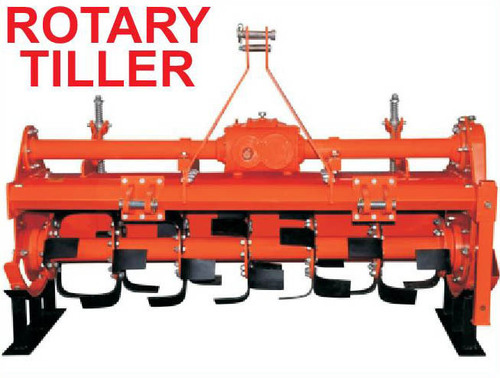
Rotary Tiller
Price 1595.0 INR / Number
Minimum Order Quantity : 1 Number
Product Type : Rotary Tiller
General Use : Agricultural
Power : 40 70 Horsepower (HP)
Type : Agricultural Tools
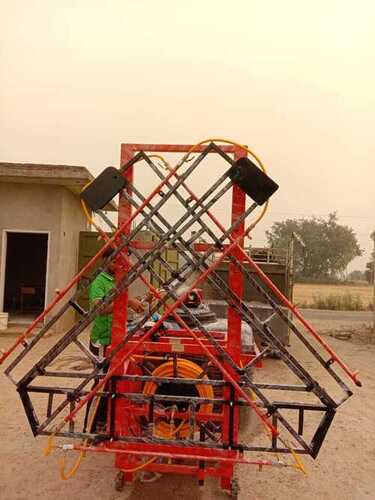
Agricultural Sprayer
Price 1950 USD ($) / Number
Minimum Order Quantity : 5
Product Type : Sprayer
General Use : Agricultural Sprayer
Power : Not applicable (manual operation)
Type : Agricultural Tools
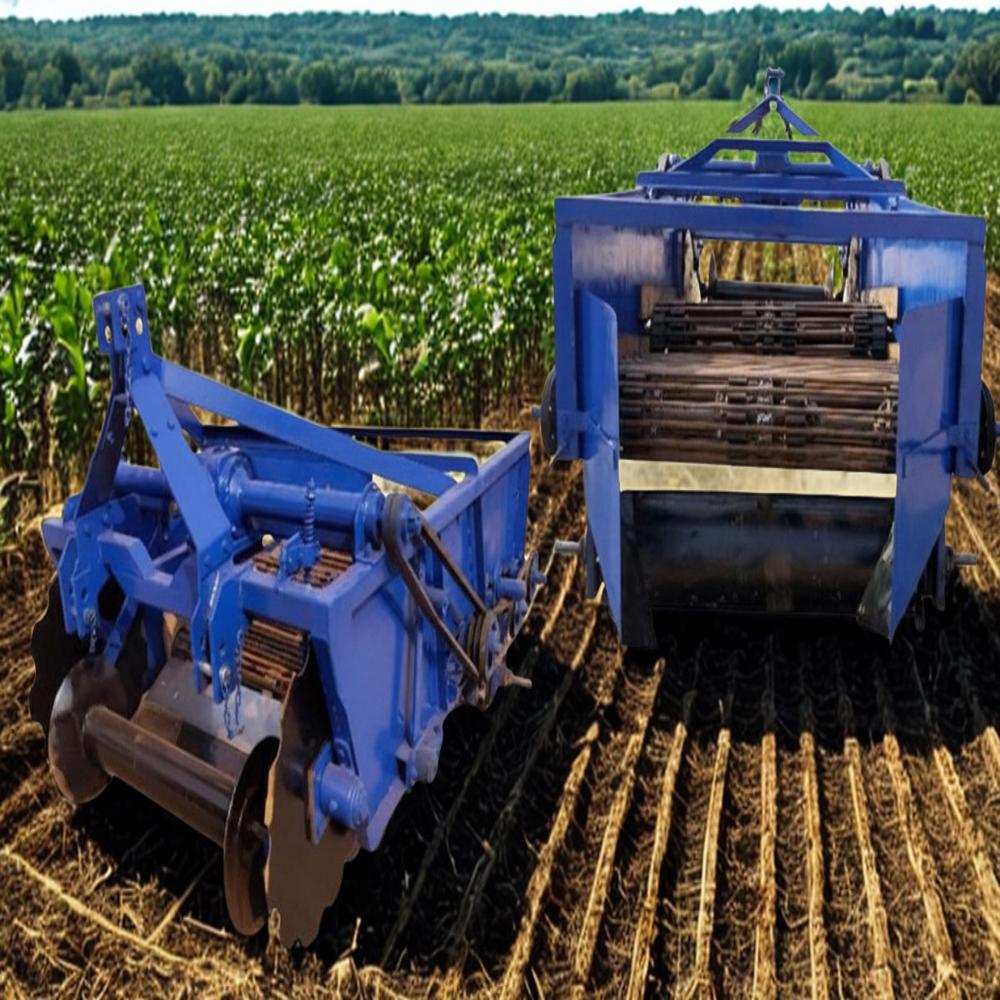
2 Row Double Conveyor Potato Digger
Price 3580.0 USD ($) / Piece
Minimum Order Quantity : 1 Piece
Product Type : Harvester
General Use : Agricultural
Power : 45 Horsepower (HP)
Type : Combine Harvester
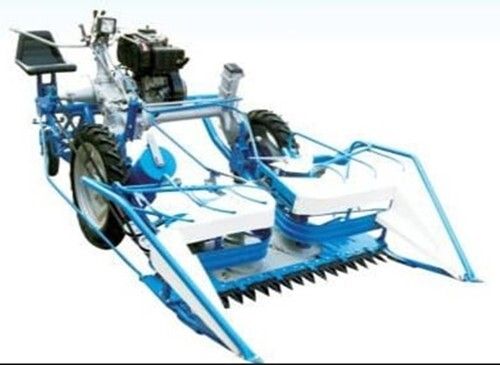
BCS Self Propelled 3 Wheel Reaper Binder
Price 5950 USD ($) / Number
Minimum Order Quantity : 1 Number
Product Type : Reaper Binder
General Use : Agricultural
Power : 10 Horsepower (HP)
Type : Grain Processing Equipment, Agricultural Tools

GST : 27AACPE3621M1ZV
Contact Details

- 28, 3rd Floor, Sucheta Niwas, 285, Shahid Bhagat Singh Road, Fort, Mumbai - 400001, Maharashtra, India

- Mr. Saurabh Sasidharan (CEO)
- Mobile :+919920154283


SABIN ENTERPRISES
All Rights Reserved.(Terms of Use)
Developed and Managed by Infocom Network Private Limited.
Developed and Managed by Infocom Network Private Limited.
 English
 Spanish
 French
 German
 Italian
 Chinese (Simplified)
 Japanese
 Korean
 Arabic
 Portuguese